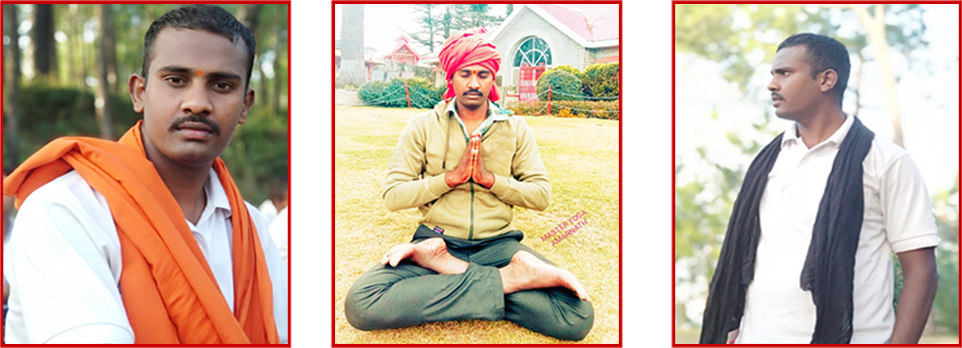
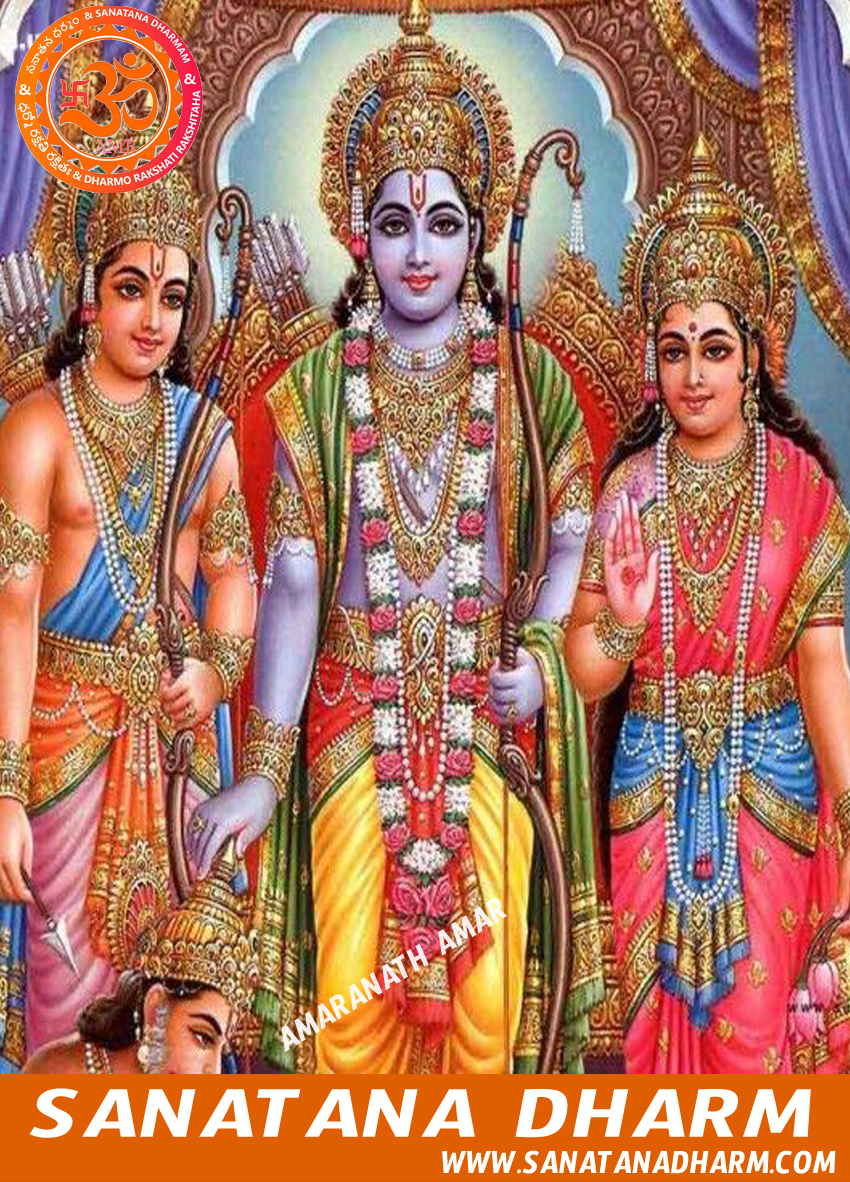
Rama saw Bharata, with matted locks, wearing bark-robes and, with joined palms, lying on the ground, incapable of being seen as the sun at the time of the dissolution of the world.
राम ने देखा कि वह व्यक्ति, जिसने जटाओं से बना वस्त्र पहना था और हाथ जोड़े हुए भूमि पर पड़ा था, वह प्रलयकाल के सूर्य के समान अत्यंत तेजस्वी और दुर्धर्ष था।
Ayodhya Kanda – Sarga 100 · v2
कथं चिदभिविज्ञाय विवर्णवदनं कृशम् |
भ्रातरं भरतं रामः परिजग्राह बाहुना || २-१००-२
Rama recognized with some difficulty his brother Bharata, whose face became pale and who was emaciated, and took him by the arm.
राम ने अपने भाई भरत को, जो किसी कारण से उदास और दुर्बल दिख रहे थे, पहचान कर अपनी भुजाओं में भर लिया।
Smelling the crown of his head, placing him on his lap, Rama who was born in Raghu dynasty embraced Bharata and with an absorbent mind, enquired of him as follows:
श्रीराम ने भरतजी की गंध लेकर, उन्हें गले लगाकर, अपनी गोद में बिठाया और एकाग्रचित्त होकर उनका कुशलक्षेम पूछा।
Ayodhya Kanda – Sarga 100 · v4
क्व नु ते अभूत् पिता तात यद् अरण्यम् त्वम् आगतः |
न हि त्वम् जीवतः तस्य वनम् आगन्तुम् अर्हसि || २-१००-४
"My darling! Where is our father, that you have come to the forest? He, being alive, you ought not have to come to the forest."
हे पुत्र, जब तुम वन में आए तो तुम्हारे पिता कहाँ थे? जीवित अवस्था में तुम्हें वन में आने की अनुमति नहीं थी।
"I see you after a long time, coming from a far-off distance, wearing a mournful face into this forest Alas! Why have you come to the forest, my darling?"
बहुत समय बाद, हे भरत, तुम्हें दूर से देखकर मुझे प्रसन्नता हुई। परंतु, इस भयानक वन में तुम किस कारण से आए हो?
Ayodhya Kanda – Sarga 100 · v6
कच्चिद्धारयए तात राजा यत्त्वमिहागतः |
कच्चिन्न दीनः सहसा राजा लोकान्तरं गतः || २-१००-६
"My dear brother! Is the king alive, that you have come here? I hope the miserable king has not indeed departed to the other world, all of a sudden."
तात, क्या राजा को यह ज्ञात है कि तुम यहाँ आए हो? कहीं राजा अचानक दीन होकर परलोक तो नहीं सिधार गए?
"O, gentle brother! I hope the eternal kingdom has in a no way suffered from your youthful experience. My darling! Are you rendering service to our father, who is truly valiant?"
हे सौम्य, क्या तुम्हारे पिता का राज्य बाल होने के कारण नष्ट हो गया है? क्या तुम अपने सत्य पराक्रमी पिता की सेवा करते हो?
Ayodhya Kanda – Sarga 100 · v8
कच्चिद् दशरथो राजा कुशली सत्य सम्गरः |
राज सूय अश्व मेधानाम् आहर्ता धर्म निश्चयः || २-१००-८
"I hope that the King Dasaratha is well, he who is true to his promise, he who performs Rajasuya and Ashvamedha Sacrifices and he who has a righteous resolve."
यहाँ संस्कृत श्लोक का सरल हिंदी अनुवाद दिया गया है: क्या राजा दशरथ, जो सत्य के योद्धा हैं, कुशल हैं? वे राजसूय और अश्वमेध यज्ञों के कर्ता और धर्म के निश्चय वाले हैं।
Ayodhya Kanda – Sarga 100 · v9
स कच्चिद् ब्राह्मणो विद्वान् धर्म नित्यो महा द्युतिः |
इक्ष्वाकूणाम् उपाध्यायो यथावत् तात पूज्यते || २-१००-९
"My darling! Are you treating respectfully as before that preceptor of the Ikshvakus, the one who knows the sacred scriptures, the one who knows the sacred scriptures, the learned who constantly keep up the virtues and he who has a great splendour?"
वह विद्वान ब्राह्मण, जो नित्य धर्म का पालन करता है और अत्यंत तेजस्वी है, इक्ष्वाकु वंश के राजाओं के गुरु के रूप में उसी प्रकार आदरणीय हैं, जैसे आप हैं।
Ayodhya Kanda – Sarga 100 · v10
सा तात कच्चिच् च कौसल्या सुमित्रा च प्रजावती |
सुखिनी कच्चिद् आर्या च देवी नन्दति कैकयी || २-१००-१०
"My darling! I hope that Kausalya and Sumitra having good offspring are happy. I hope the venerable queen Kaikeyi is rejoicing."
तात, क्या कौसल्या और सुमित्रा प्रजाओं का पालन कर रही हैं? क्या आर्या कैकेयी भी सुखपूर्वक आनन्दित है?
Ayodhya Kanda – Sarga 100 · v11
कच्चिद् विनय सम्पन्नः कुल पुत्रो बहु श्रुतः |
अनसूयुर् अनुद्रष्टा सत्कृतः ते पुरोहितः || २-१००-११
"I hope that the preceptor (Suyajgna the son of Vasishta); who is rich in humility, a son of a noble family, who has a knowledge of many scriptures an unenvious person and who is full of insight, is duly honoured by you."
यह श्लोक पूछता है कि क्या आपका पुरोहित, जो विनम्र, कुलीन, विद्वान, ईर्ष्या रहित और सम्मानित है, आपके साथ है।
Ayodhya Kanda – Sarga 100 · v12
कच्चिद् अग्निषु ते युक्तो विधिज्नो मतिमान् ऋजुः |
हुतम् च होष्यमाणम् च काले वेदयते सदा || २-१००-१२
"I hope that a brahmin who is versed in the traditions, who is intelligent and just, employed in your sacred fires, always informs you in time, about a sacrificial fire having been or going to be fed with oblations."
यहाँ संस्कृत श्लोक का सरल हिंदी अनुवाद दिया गया है: क्या अग्नि में नियुक्त, विधि का ज्ञाता, बुद्धिमान और सीधा व्यक्ति, हमेशा समय पर आहुति दी गई और दी जाने वाली आहुति को जानता है?
"My darling! I hope that you are holding in high esteem the gods, your ancestors, dependents and teachers of your father's age the doctors and the brahmins."
हे तात, क्या तुम देवताओं, पितरों, भृत्यों, गुरुओं, पितृ तुल्य जनों, वृद्धों, वैद्यों और ब्राह्मणों का आदर करते हो?
Ayodhya Kanda – Sarga 100 · v14
इषु अस्त्र वर सम्पन्नम् अर्थ शास्त्र विशारदम् |
सुधन्वानम् उपाध्यायम् कच्चित् त्वम् तात मन्यसे || २-१००-१४
"O, my darling! I hope that you treat with due respect; Sudhanva, your teacher in archery, who is furnished with the most excellent arrows and darts and well-versed in political economy."
हे पुत्र, क्या तुम सुधन्वा को, जो बाणों और अस्त्रों से संपन्न, अर्थशास्त्र में निपुण और धनुर्धर हैं, अपना गुरु मानते हो?
Ayodhya Kanda – Sarga 100 · v15
कच्चिद् आत्म समाः शूराः श्रुतवन्तो जित इन्द्रियाः |
कुलीनाः च इन्गितज्नाः च कृताः ते तात मन्त्रिणः || २-१००-१५
"I hope that ministers who are valiant like you, learned, masters of their senses of noble birth and skilled interpreting internal sentiments by external gesture, are assigned to you."
हे पिता, क्या आपने ऐसे वीर, ज्ञानी, इंद्रियों पर विजय पाने वाले, कुलीन और दूसरों के भावों को समझने वाले लोगों को अपना मंत्री बनाया है?
Ayodhya Kanda – Sarga 100 · v16
मन्त्रो विजय मूलम् हि राज्नाम् भवति राघव |
सुसम्वृतो मन्त्र धरैर् अमात्यैः शास्त्र कोविदैः || २-१००-१६
"The source of victory for kings indeed comes from a concealed counsel by ministers, who are well-versed in political sciences and who can hide their thoughts within themselves."
हे राम! राजाओं की विजय का मूल उनका सुविचारित मंत्र ही होता है, जिसे शास्त्रों के ज्ञाता मंत्रीगण अत्यंत सावधानी से धारण करते हैं।
Ayodhya Kanda – Sarga 100 · v17
कच्चिन् निद्रा वशम् न एषि कच्चित् काले विबुध्यसे |
कच्चिन् च अपर रात्रिषु चिन्तयस्य् अर्थ नैपुणम् || २-१००-१७
"I hope you do not fall a prey to excess of sleep and do wake up at appropriate time. I hope you contemplate during the later half of the night, about the adroitness of an action."
क्या तुम नींद के वश में नहीं हो? क्या तुम समय पर जागते हो? क्या तुम आधी रात के बाद भी धन के बारे में सोचते हो?
Ayodhya Kanda – Sarga 100 · v18
कच्चिन् मन्त्रयसे न एकः कच्चिन् न बहुभिः सह |
कच्चित् ते मन्त्रितो मन्त्रो राष्ट्रम् न परिधावति || २-१००-१८
"I hope that you do not deliberate alone nor indeed with numerous men. I hope your decision arrived at by you through such deliberation does not flow to the public (even before it is carried out)".
क्या तुम अकेले मंत्रणा नहीं करते? क्या बहुतों के साथ भी नहीं? क्या तुम्हारा मंत्रित मंत्र राष्ट्र को नहीं भटकाता?
"O, Bharata! I hope considering your interest fully, you lanuch an undertaking, which has maximum benefit with minimum coast and indeed do not delay it further."
हे राघव, क्या तुम किसी कार्य का निश्चय करके, थोड़े से धन से बड़े लाभ की आशा रखते हुए, शीघ्र ही उसे आरम्भ करते हो, या विलम्ब करते हो?
Ayodhya Kanda – Sarga 100 · v20
कच्चित् तु सुकृतान्य् एव कृत रूपाणि वा पुनः |
विदुः ते सर्व कार्याणि न कर्तव्यानि पार्थिवाः || २-१००-२०
"I hope the other kings know your entire undertakings only after they have been successfully completed as well as those which have taken a shape, but not your proposed undertakings."
हे राजाओं, क्या तुम जानते हो कि जो कार्य पहले ही अच्छे ढंग से किए जा चुके हैं, उन्हें दोबारा करने की आवश्यकता नहीं है?
Ayodhya Kanda – Sarga 100 · v21
कच्चिन् न तर्कैर् युक्त्वा वा ये च अप्य् अपरिकीर्तिताः |
त्वया वा तव वा अमात्यैर् बुध्यते तात मन्त्रितम् || २-१००-२१
"My darling! I hope that others are not knowing, by their enquiries or strategies or by any other approaches not mentioned, the details of discussions you make with your ministers."
तात, क्या तुम्हारे या तुम्हारे मंत्रियों द्वारा तर्क या अन्य अनकही बातों से मंत्रणा को समझा गया है?
"I hope you solicit for one wise man rather than for a thousand stupids for, a wise man can be of a great help to you in difficult matters."
यहाँ संस्कृत श्लोक का सरल हिंदी अनुवाद दिया गया है: क्या तुम हजारों मूर्खों की बजाय एक ही विद्वान चाहते हो? क्योंकि विद्वान ही कठिन परिस्थितियों में महान कल्याण कर सकता है।
Ayodhya Kanda – Sarga 100 · v23
सहस्राण्य् अपि मूर्खाणाम् यद्य् उपास्ते मही पतिः |
अथ वा अप्य् अयुतान्य् एव न अस्ति तेषु सहायता || २-१००-२३
"Even if a king employs thousands or tens of thousands of fools, they will not be helpful to him."
यदि राजा मूर्खों की हजारों या दस हजार की भी सेवा करे, तो भी उनमें कोई सहायता नहीं होती।
Ayodhya Kanda – Sarga 100 · v24
एको अप्य् अमात्यो मेधावी शूरो दक्षो विचक्षणः |
राजानम् राज मात्रम् वा प्रापयेन् महतीम् श्रियम् || २-१००-२४
"Even one wise, valiant sagacious and efficient minister alone can cause to secure a great prosperity to the king or to one who enjoys royal authority."
एक बुद्धिमान, वीर, कुशल और चतुर मंत्री भी राजा या रानी को महान समृद्धि दिला सकता है।
Ayodhya Kanda – Sarga 100 · v25
कच्चिन् मुख्या महत्सु एव मध्यमेषु च मध्यमाः |
जघन्याः च जघन्येषु भृत्याः कर्मसु योजिताः || २-१००-२५
"I hope that superior servants are assigned superior works only, mediocre servants in mediocre works and inferior servants in inferior works."
यहाँ श्लोक का सरल हिंदी अनुवाद दिया गया है: श्रेष्ठजन श्रेष्ठ कार्यों में, मध्यमजन मध्यम कार्यों में, और निम्नजन निम्न कार्यों में नियुक्त किए जाते हैं।
"I hope you are appointing those ministers, who are eminent incorruptible, born of the fathers and for bears of good family and who are full of integrity in matters of great importance."
हे राजन, क्या तुम अपने पूर्वजों के समान पवित्र, श्रेष्ठ मंत्रियों को उनके योग्य कार्यों में नियुक्त करते हो?
"O, Bharata! I hope your ministers do not watch as mere witnesses, while your subjects in the kingdom wielding tremble with great fear, under your inflexible wielding of the scepter."
हे कैकयीपुत्र, क्या तुम अत्यंत कठोर दंड से प्रजा को बहुत भयभीत करके राज्य करते हो, और क्या तुम्हारे मंत्री इस प्रकार के शासन को स्वीकार करते हैं?
"I hope those who perform the sacrifice do not hold you in contempt, as one who accepts terrible gifts; as one who is fallen, as women hold in contempt of those highly lustful men."
यहाँ संस्कृत श्लोक का सरल हिंदी अनुवाद दिया गया है: जैसे पतित को याजक तुच्छ नहीं समझते, उसी प्रकार स्त्रियाँ भी उग्र और कामनाओं से युक्त पुरुष का तिरस्कार नहीं करतीं।
Ayodhya Kanda – Sarga 100 · v29
उपाय कुशलम् वैद्यम् भृत्य संदूषणे रतम् |
शूरम् ऐश्वर्य कामम् च यो न हन्ति स वध्यते || २-१००-२९
"He, who does not slay a physician skilled in ways and means of aggravating a disease, a servant intent on bringing disgrace and a valiant warrior seeking kingly power, is *himself) slain by them."
जो वैद्य उपाय करने में कुशल हो, पर नौकरों को दूषित करने में लगा रहता हो, जो शूरवीर हो पर ऐश्वर्य की कामना करता हो, ऐसे व्यक्ति को जो नहीं मारता, वह स्वयं मारा जाता है।
Ayodhya Kanda – Sarga 100 · v30
कच्चिद्द् हृष्टः च शूरः च धृतिमान् मतिमान् शुचिः |
कुलीनः च अनुरक्तः च दक्षः सेना पतिः कृतः || २-१००-३०
"I hope an army-chief, who is cheerful, wise, courageous, valiant, well-behaved, born in a good family, who is beloved by his subordinates and efficient, is selected by you."
यह श्लोक बताता है कि एक योग्य सेनापति को प्रसन्नचित्त, शूरवीर, धैर्यवान, बुद्धिमान, पवित्र, कुलीन और अपने कार्य के प्रति समर्पित होना चाहिए। ऐसे गुणों से युक्त व्यक्ति को ही सेनापति बनाया गया है।
Ayodhya Kanda – Sarga 100 · v31
बलवन्तः च कच्चित् ते मुख्या युद्ध विशारदाः |
दृष्ट अपदाना विक्रान्ताः त्वया सत्कृत्य मानिताः || २-१००-३१
"I hope those warriors, who are excellent strong, skilled in war-face, whose excellent actions were seen before and the most courageous ones are duly honoured and respected by you."
निश्चित रूप से, मैं आपकी सहायता कर सकता हूँ। **सरल हिंदी अनुवाद:** क्या तुम्हारे बलवान और युद्ध में निपुण मुख्य योद्धा, जिन्होंने महान कार्य किए हैं और पराक्रमी हैं, तुम्हारे द्वारा सम्मानित और आदरणीय माने गए हैं?
Ayodhya Kanda – Sarga 100 · v32
कचिद् बलस्य भक्तम् च वेतनम् च यथा उचितम् |
सम्प्राप्त कालम् दातव्यम् ददासि न विलम्बसे || २-१००-३२
"I hope you are regularly giving your army, the daily provisions and the suitable salary to them, without any delay."
यहाँ संस्कृत श्लोक का सरल हिंदी अनुवाद दिया गया है: तुम बलवानों को उनका उचित भोजन और वेतन समय पर देते हो, और विलंब नहीं करते।
Ayodhya Kanda – Sarga 100 · v33
काल अतिक्रमणे ह्य् एव भक्त वेतनयोर् भृताः |
भर्तुः कुप्यन्ति दुष्यन्ति सो अनर्थः सुमहान् स्मृतः || २-१००-३३
"When there is delay in giving bread and wages, the servants become incensed against their master and become corrupt; and that is said to be a great unfortunate occurrence."
जब मालिक समय पर वेतन नहीं देता, तो नौकर क्रोधित और असंतुष्ट हो जाते हैं। यह एक बहुत बड़ा अनर्थ माना जाता है।
"I hope all the foremost descendents of your race (kshatriyas) are devoted to you and do they lay down their lives steadfastly for your sake?"
सभी कुलीन पुत्र तुम्हारे प्रति विशेष रूप से अनुरक्त हैं क्या? क्या वे तुम्हारे कार्यों के लिए प्राणों का भी त्याग करने को तत्पर हैं?
Ayodhya Kanda – Sarga 100 · v35
कच्चिज् जानपदो विद्वान् दक्षिणः प्रतिभानवान् |
यथा उक्त वादी दूतः ते कृतो भरत पण्डितः || २-१००-३५
"I hope that a knowledgeable man, living in your own country, a wise man a skilled person endowed with presence of mind and the one who knows how to speak to the point, is selected as an ambassador by you."
यह श्लोक भरत से पूछा जा रहा है कि क्या उन्होंने किसी ऐसे विद्वान, चतुर और वाक्पटु दूत को नियुक्त किया है जो दक्षिण देश का रहने वाला हो।
Ayodhya Kanda – Sarga 100 · v36
कच्चिद् अष्टादशान्य् एषु स्व पक्षे दश पन्च च |
त्रिभिः त्रिभिर् अविज्नातैर् वेत्सि तीर्थानि चारकैः || २-१००-३६
"Do you get to know throught three spies, each unacquainted with each other, about the eighteen* functionaries of the enemies and the fifteen functionaries of your own side?"
यहाँ श्लोक का सरल हिंदी अनुवाद दिया गया है: क्या तुम अपने पक्ष में अठारह, दस और पाँच जाने हुए लोगों को जानते हो? और तीन-तीन अज्ञात लोगों के साथ गुप्तचरों द्वारा जाने गए तीर्थों को भी जानते हो?
"O, slayer of your Foes! I hope you do not forever think lightly of your foes, who are weak and having been expelled, return again."
हे शत्रुहंता, क्या आप हमेशा दुर्बलों का तिरस्कार न करते हुए, अपने शत्रुओं को दूर भगाते हैं और उनसे बचते रहते हैं?
I hope are not honouring the materialistic brahmins, My dear brother! These men are skilled in perverting the mind, ignorant as they are and thinking themselves to be learned."
हे तात, क्या तुम लोकायत (भौतिकवादी) ब्राह्मणों की सेवा करते हो? ये मूर्ख स्वयं को विद्वान समझते हैं और अनर्थ करने में कुशल हैं।
Ayodhya Kanda – Sarga 100 · v39
धर्म शास्त्रेषु मुख्येषु विद्यमानेषु दुर्बुधाः |
बुद्धिमान् वीक्षिकीम् प्राप्य निरर्थम् प्रवदन्ति ते || २-१००-३९
"Reaching to their logical acumen, these men of perverted intellect preach meaninglessly, in the presence of eminent books on righteousness."
धर्मशास्त्रों के होते हुए भी, मूर्ख लोग तर्कशास्त्र को प्राप्त करके व्यर्थ की बातें करते हैं। बुद्धिमान व्यक्ति धर्मशास्त्रों का पालन करते हैं।
"I hope you preserve the City of Ayodhya, furnished with everything and flourishing, that was formerly inhabited by our heroic ancestors, O my dear brother, that is worthy of its name, with its fortified gates, its elephant horses and chariots that fill it, with its brahmins, warriors and merchants in thousands, ever engaged in their respective duties, with its noble citizens self-controlled and full of energy, with its palaces in various shapes and the learned who abound there."
यह अयोध्या नगरी, जो पूर्व में हमारे वीर पूर्वजों द्वारा बसी हुई थी, सत्य नाम वाली, मजबूत द्वारों वाली, हाथी, घोड़े और रथों से भरी हुई थी। यह ब्राह्मणों, क्षत्रियों और वैश्यों से युक्त थी, जो अपने-अपने कर्मों में सदा लगे रहते थे, जिन्होंने अपनी इंद्रियों पर विजय प्राप्त कर ली थी, जिनमें महान उत्साह था और जो हजारों मंत्रियों से घिरी हुई थी। यह विविध आकारों वाले महलों से घिरी हुई और चिकित्सकों से भरी हुई थी। क्या तुम इस समृद्ध और विकसित अयोध्या की रक्षा कर रहे हो?
Ayodhya Kanda – Sarga 100 · v41
कच्चिच् चैत्य शतैर् जुष्टः सुनिविष्ट जन आकुलः |
देव स्थानैः प्रपाभिः च तडागैः च उपशोभितः || २-१००-४३
प्रहृष्ट नर नारीकः समाज उत्सव शोभितः |
सुकृष्ट सीमा पशुमान् हिंसाभिर् अभिवर्जितः || २-१००-४४
अदेव मातृको रम्यः श्वा पदैः परिवर्जितः |
परित्यक्तो भयैः सर्वैः खनिभिश्चोपशोभितः २-१००-४५ विवर्जितो नरैः पापैर्मम पूर्वैः सुरक्षितः |
कच्चिज् जन पदः स्फीतः सुखम् वसति राघव || २-१००-४६
I hope that the kingdom, adorned with peaceful places rich in temples and sheds where water stored for distribution to passers-by in tanks, with happy men and women, graced by social festivities, with land well-tilled, abiding in cattle which are totally free from cruelties, the agricultural land not exclusively fed by rains, which is beautiful and is purged of beasts of prey, which is completely rid of fears, studded with mines, a destitute of sinful men, and well-protected by our fore-fathers, is prosperous and an abode of happiness.
यह नगर अनेक पवित्र स्थानों, प्याऊ, तालाबों, और उत्सवों से सुशोभित है। यहाँ के लोग प्रसन्न हैं, पशुधन समृद्ध है और यह हिंसा से मुक्त है। यह स्थान सभी भयों से रहित, खनिजों से परिपूर्ण और पापियों से विहीन है, मेरे पूर्वजों द्वारा सुरक्षित यह समृद्ध नगर सुखपूर्वक निवास करता है।
Ayodhya Kanda – Sarga 100 · v42
कच्चित् ते दयिताः सर्वे कृषि गो रक्ष जीविनः |
वार्तायाम् संश्रितः तात लोको हि सुखम् एधते || २-१००-४७
"Are you cherishing all those who live by agriculture and cattle-rearing, O, dear borhter! The people living on agriculture and cattle-rearing indeed prosper well."
हे पुत्र, क्या तुम्हारे सभी प्रियजन खेती और गौपालन से जीवन यापन करते हैं? क्योंकि बातचीत में लगे हुए लोग, हे पिता, वास्तव में सुख से बढ़ते हैं।
Ayodhya Kanda – Sarga 100 · v43
तेषाम् गुप्ति परीहारैः कच्चित् ते भरणम् कृतम् |
रक्ष्या हि राज्ना धर्मेण सर्वे विषय वासिनः || २-१००-४८
"I hope their maintenance is being looked after by you, in providing what they need and eschewing what they fear. All the citizens are indeed to be protected by a king through his righteousness."
उनका संरक्षण और निवारण करके, क्या उनका भरण-पोषण किया गया है? क्योंकि राजा का धर्म है कि वह अपने राज्य के सभी निवासियों की रक्षा करे।
Ayodhya Kanda – Sarga 100 · v44
कच्चित् स्त्रियः सान्त्वयसि कच्चित् ताः च सुरक्षिताः |
कच्चिन् न श्रद्दधास्य आसाम् कच्चिद् गुह्यम् न भाषसे || २-१००-४९
"I hope you are pacifying the women well. Are they protected by you? I hope you are not believing the words of these women and not telling them the secrets."
क्या तुम स्त्रियों को सांत्वना देते हो? क्या वे सुरक्षित हैं? क्या तुम उन पर विश्वास नहीं करते? क्या तुम कोई रहस्य नहीं बताते?
Ayodhya Kanda – Sarga 100 · v45
कच्चिन्नागवनं गुप्तं कच्चित्ते सन्ति धेनुकाः |
कचिन्न गणिकाश्वानां कुञ्जराणां च तृप्यसि || २-१००-५०
"Are you supervising the woods inhabited by elephants? I hope female elephants are there to you in good number. I hope you are not simply satisfied with the existing population of female elephants, horses and male-elephants."
क्या नागवन सुरक्षित है? क्या तुम्हारे पास गायें हैं? क्या तुम गणिकाओं और घोड़ों से संतुष्ट हो? क्या तुम हाथियों से भी संतुष्ट हो?
Ayodhya Kanda – Sarga 100 · v46
कच्चिद् दर्शयसे नित्यम् मनुष्याणाम् विभूषितम् |
उत्थाय उत्थाय पूर्व अह्णे राज पुत्रो महा पथे || २-१००-५१
"O, Prince! Do you, regally adorned, appear before the people on rising each morning, on the great high way?"
यह श्लोक बताता है कि राजपुत्र प्रतिदिन प्रातःकाल उठकर मनुष्यों के लिए सुशोभित महापथ (मुख्य मार्ग) को देखते थे।
Ayodhya Kanda – Sarga 100 · v47
कच्चिन्न सर्वे कर्मान्ताः प्रत्यक्षास्तेऽविशङ्कया |
सर्वे वा पुनरुत्सृष्टा मध्यमे वात्र कारणम् २-१००-५२
"I hope that all your servants, in your presence, do not adopt a disrespectful attitude or on the other hand all of them do not hasten away on seeing you. Ofcourse, a middle course only in the principle to be followed in this matter."
क्या सभी कार्य बिना किसी शंका के प्रत्यक्ष हैं, या सभी छोड़ दिए गए हैं, या इसका कारण मध्य में है?
Ayodhya Kanda – Sarga 100 · v48
कच्चित् सर्वाणि दुर्गाणि धन धान्य आयुध उदकैः |
यन्त्रैः च परिपूर्णानि तथा शिल्पि धनुर् धरैः || २-१००-५३
"I hope all your citadels are quite full of money, grain, weapons, water and mechanical contrivances as well as artisans and archers."
यह श्लोक बताता है कि क्या सभी किले धन, अनाज, हथियार, जल और यंत्रों से परिपूर्ण हैं, साथ ही कुशल कारीगर और धनुर्धर भी मौजूद हैं।
Ayodhya Kanda – Sarga 100 · v49
आयः ते विपुलः कच्चित् कच्चिद् अल्पतरो व्ययः |
अपात्रेषु न ते कच्चित् कोशो गग्च्छति राघव || २-१००-५४
"I hope your income is abundant and expenditure, minimum. I hope your treasure does not reach undeserving people, O, Bharata!"
हे राघव, क्या आपकी आय बहुत अधिक है और व्यय उससे कम है? क्या आपका धन अपात्रों में व्यय नहीं होता?
Ayodhya Kanda – Sarga 100 · v50
देवता अर्थे च पित्र् अर्थे ब्राह्मण अभ्यागतेषु च |
योधेषु मित्र वर्गेषु कच्चिद् गग्च्छति ते व्ययः || २-१००-५५
"I hope that your expenditure goes for the cause of divinity, manes, brahmins, unexpected visitors, soldiers and hosts of friends."
देवताओं के लिए, पितरों के लिए, घर आए ब्राह्मणों के लिए, योद्धाओं के लिए और मित्रों के लिए, क्या तुम्हारा व्यय (खर्च) होता है?
"If one of noble work, despite his honesty and integrity, is falsely accused of some offence, I hope he is not killed impatiently, without enquiry by those well-versed in law-books."
यह श्लोक कहता है कि क्या कोई सज्जन, जिसका मन शुद्ध है, चोरी के कर्म से कलंकित हो सकता है? क्या वह बिना किसी कारण के, लोभ से प्रेरित होकर, शास्त्रों के ज्ञाताओं द्वारा दंडित किया जा सकता है?
Ayodhya Kanda – Sarga 100 · v52
गृहीतः चैव पृष्टः च काले दृष्टः सकारणः |
कच्चिन् न मुच्यते चोरो धन लोभान् नर ऋषभ || २-१००-५७
"O, foremost of men! If a thief is seen and even caught at the time of his act on sufficient ground and interrogated-I hope, he is not released from greed of wealth."
यह श्लोक कहता है कि जो चोर पकड़ा गया है, पूछा गया है और सही समय पर कारण सहित देखा गया है, वह धन के लालच के कारण कभी भी नहीं छूटता। हे श्रेष्ठ पुरुष, ऐसा चोर कभी भी मुक्त नहीं होता।
"O, Bharata! I hope that your well-educated ministers examine a case dispassionately when a contention occurs between a rich man and a poor man, after studying the situation carefully."
यहाँ श्लोक का सरल हिंदी अनुवाद दिया गया है: हे राघव, क्या आपके बहुश्रुत मंत्री धनवान और निर्धन दोनों के संकट में धन को ही देखते हैं? वे निष्पक्ष होकर नहीं देखते।
"The tears fallen from those who are the victims of false accusations, O Bharata, destroy their sons and herds of those who are indifferent to justice, merely for the sake of pleasure."
जब झूठे आरोप से पीड़ित व्यक्ति के आंसू गिरते हैं, हे राघव, तो वे पुत्र और पशुओं को नष्ट कर देते हैं, भले ही वह प्रेम से शासन कर रहा हो।
Ayodhya Kanda – Sarga 100 · v55
कच्चिद् वृधामः च बालामः च वैद्य मुख्यामः च राघव |
दानेन मनसा वाचा त्रिभिर् एतैर् बुभूषसे || २-१००-६०
"I hope that you seek to conciliate by the following three means, viz. gifts, a loving mind and polite words- the aged, the children and the foremost physicians."
हे राघव, क्या तुम वृद्धों, बालकों और प्रमुख चिकित्सकों को दान, मन और वाणी से संतुष्ट करके प्रसन्न होना चाहते हो?
Ayodhya Kanda – Sarga 100 · v56
कच्चिद् गुरूमः च वृद्धामः च तापसान् देवता अतिथीन् |
चैत्यामः च सर्वान् सिद्ध अर्थान् ब्राह्मणामः च नमस्यसि || २-१००-६१
"I hope you greet your teachers, the elderly, the ascetics, the deities; the unexpected visitors, the trees standing at cross roads and all the brahmins of auspicious life and conduct."
हे पुत्र, क्या तुम गुरुजनों, वृद्ध तपस्वियों, देवताओं, अतिथियों, पवित्र स्थानों, सिद्ध पुरुषों और ब्राह्मणों को नमस्कार करते हो?
Ayodhya Kanda – Sarga 100 · v57
कच्चिद् अर्थेन वा धर्मम् धर्मम् धर्मेण वा पुनः |
उभौ वा प्रीति लोभेन कामेन न विबाधसे || २-१००-६२
"I hope you do not abrogate virtue by your excessive devotion to wealth or your excessive devotion to wealth or your earthly interests by your over-emphasis on religion or both your religious and secular interests by your self-indulgence in pleasure, greed and gratification of the senses."
यहाँ श्लोक का सरल हिंदी अनुवाद दिया गया है: क्या तुम धन से धर्म का या धर्म से धन का, अथवा दोनों को प्रेम या लोभ के कारण हानि नहीं पहुँचाते हो?
Ayodhya Kanda – Sarga 100 · v58
कच्चिद् अर्थम् च धर्मम् च कामम् च जयताम् वर |
विभज्य काले कालज्न सर्वान् भरत सेवसे || २-१००-६३
"I hope your pursue wealth, religion and the delights of the sense dividing them all according to time, O Jewel among the victorious, the one who is conversant with the proper time and O, the bestower of boons!"
हे कालज्ञ भरतश्रेष्ठ! क्या आप समय के अनुसार अर्थ, धर्म और काम इन तीनों को बाँटकर सबकी सेवा करते हैं?
Ayodhya Kanda – Sarga 100 · v59
कच्चित् ते ब्राह्मणाः शर्म सर्व शास्त्र अर्थ कोविदः |
आशंसन्ते महा प्राज्न पौर जानपदैः सह || २-१००-६४
"O, the one who is endowed with great wisdom! I hope that brahmins versed in the knowledge of the scriptures, the inhabitants of town and the country pray for your happiness."
हे महाबुद्धिमान! क्या आपके राज्य के ब्राह्मण, जो सभी शास्त्रों के अर्थ को जानते हैं, नगरवासियों और ग्रामवासियों के साथ मिलकर आपकी भलाई की कामना करते हैं?
Ayodhya Kanda – Sarga 100 · v60
नास्तिक्यम् अनृतम् क्रोधम् प्रमादम् दीर्घ सूत्रताम् |
अदर्शनम् ज्नानवताम् आलस्यम् पन्च वृत्तिताम् || २-१००-६५
एक चिन्तनम् अर्थानाम् अनर्थज्नैः च मन्त्रणम् |
निश्चितानाम् अनारम्भम् मन्त्रस्य अपरिलक्षणम् || २-१००-६६
मन्गलस्य अप्रयोगम् च प्रत्युत्थानम् च सर्वशः |
कच्चित् त्वम् वर्जयस्य् एतान् राज दोषामः चतुर् दश || २-१००-६७
Do you eschew the following fourteen for of kings -viz. atheism, falsehood, anger carelessness, procrastination, disregard of the wise, sloth, bondage to the five senses, himself alone devoting thought to the affairs of the state (without consulting the ministers); taking counsel with those of perverted insight; failure to undertake the projects already decided, failure to keep secrets, failure to utter auspicious words (at the beginning of an undertaking); and rising from one's seat (indiscriminately) to receive all.
यहाँ संस्कृत श्लोक का सरल हिंदी अनुवाद दिया गया है: नास्तिकता, झूठ, क्रोध, प्रमाद, अत्यधिक विलंब, ज्ञानीजनों से दूरी, आलस्य, इन पाँच वृत्तियों को त्याग देना चाहिए। साथ ही, अर्थहीन बातों पर चिंतन, मूर्खों से सलाह लेना, निश्चित कार्यों को शुरू न करना, और मंत्रणा को गुप्त न रखना, तथा मंगलकारी कार्यों का प्रयोग न करना और हर तरह से टालमटोल करना, इन चौदह राज-दोषों को तुम त्यागते हो ना?
Ayodhya Kanda – Sarga 100 · v61
दशपंचचतुर्वर्गान् सप्तवर्गं च तत्त्वतः |
अष्टवर्गम् त्रिवर्गं च विद्यास्तिस्रश्च राघव २-१००-६८ इन्द्न्द्रियाणां जयं बुद्ध्यं षाड्गुण्यं दैवमानुषम् |
कृत्यं विंशतिवर्गं च तथा प्रकृतिमण्डलं || २-१००-६९
यात्रादण्डविधानं च द्वियोनी संधिविग्रहौ |
कच्छिदेतान् महाप्राज्ञ यथावदनुमन्यसे २-१००-७०
"O, the very wise Bharata! I hope you understand the following and deal them properly the ten evils(1); the five kinds of fortifications(2); the four expedients(3); the seven limbs of state(4); the eight evils (born of anger) the three objects of human pursuit(5); the three branches of learning(6) subjugation of the senses, the six strategic expedients(7); adversity brought about by divine agencies(8); and by human agencies(9); the twenty types of monarches(10); and the entire population of the kingdom, setting about an an expedition, drawing up an army in a battle-array and the two bases viz, peace and war.
यहाँ संस्कृत श्लोक का सरल हिंदी अनुवाद दिया गया है: हे राघव, दस, पंद्रह, चार, सात, आठ, तीन वर्गों को तथा तीन प्रकार के ज्ञान को जानो। इंद्रियों पर विजय, बुद्धि, छः गुण, दैवी और मानवी कर्म, बीस वर्ग और प्रकृति मंडल को समझो। यात्रा और दंड विधान, दो प्रकार की योनि, संधि और विग्रह को भी तुम भली-भाँति जानते हो।
Ayodhya Kanda – Sarga 100 · v62
मन्त्रिभिस्त्वं यथोद्दिष्टैश्चतुर्भिस्त्रिभिरेव वा |
कच्चित्समस्तैर्व्यस्तैश्च मन्त्रं मन्त्रयसे मिथः || २-१००-७१
"I hope that you consult with three or four ministers as mentioned in scriptures any proposal collectively and singly with each of them in secret."
हे राजन, क्या आप अपने इच्छित चार या तीन मंत्रियों के साथ, चाहे वे एक साथ हों या अलग-अलग, गुप्त मंत्रणा करते हैं?
"Do you find advantages in your study of Vedas? Are your acts, production of fair results? Do you benefit from the company of your consorts? Has your learning been fruitful?"
क्या तुम्हारे वेद सार्थक हुए? क्या तुम्हारे कर्म सफल हुए? क्या तुम्हारी पत्नी सफल है? क्या तुम्हारा ज्ञान सार्थक है?
Ayodhya Kanda – Sarga 100 · v64
कच्चिदेषैव ते बुद्धिर्यथोक्ता मम राघा |
आयुष्या च यशस्या च धर्मकामार्थसंहिता || २-१००-७३
"O, Bharata! I hope that your conviction, is the same as mentioned by me in the foregoing verses, which is conducive to long life, fame, religious merit, enjoyment and wealth."
यह वही बुद्धि है जो मैंने कही थी, हे राघवा। यह दीर्घायु, यश और धर्म, अर्थ, काम की सिद्धि देने वाली है।
Ayodhya Kanda – Sarga 100 · v65
यां वृत्तिं वर्तते रातो यां चनः प्रपितामहाः |
तां वृत्तिं वर्तसे कच्चिद्याच सत्पथगा शुभा २-१००-७४
"Do you follow the common practice, which our fore fathers observed and which is in accord with the path of the virtuous and which is distinguished in itself."
जो आजीविका हमारे पूर्वजों ने अपनाई थी, क्या तुम भी वही शुभ और सदाचारी आजीविका अपना रहे हो?
Ayodhya Kanda – Sarga 100 · v66
कच्चित् स्वादु कृतं भोज्यमेको नाश्नासि राघव |
कच्चिदाशंसमानेभ्यो मित्रेभ्यः सम्प्रयच्छसि २-१००-७५
"I hope you do not eat by yourself nicely made eatable and do you share it with your friends, who seek it?"
हे राम, क्या तुम स्वादिष्ट भोजन अकेले नहीं खाते? क्या तुम अपने मित्रवत साथियों को भी बाँटकर खिलाते हो?
"A wise and learned king, having obtained and ruled the entire earth, properly by righteousness and by administering justice to the people, indeed ascends to heaven when detached from the mortal body."
यह श्लोक कहता है कि जो व्यक्ति सब कुछ प्राप्त कर लेता है, वह विद्वान होने के कारण स्वर्ग को प्राप्त करता है।